Glass
Foggy Double-Pane Windows: Replace the Glass or the Whole Window?
A failed seal is obvious. What to do about it is not. A step-by-step way to decide between new glass and a new window, before anything is ordered.
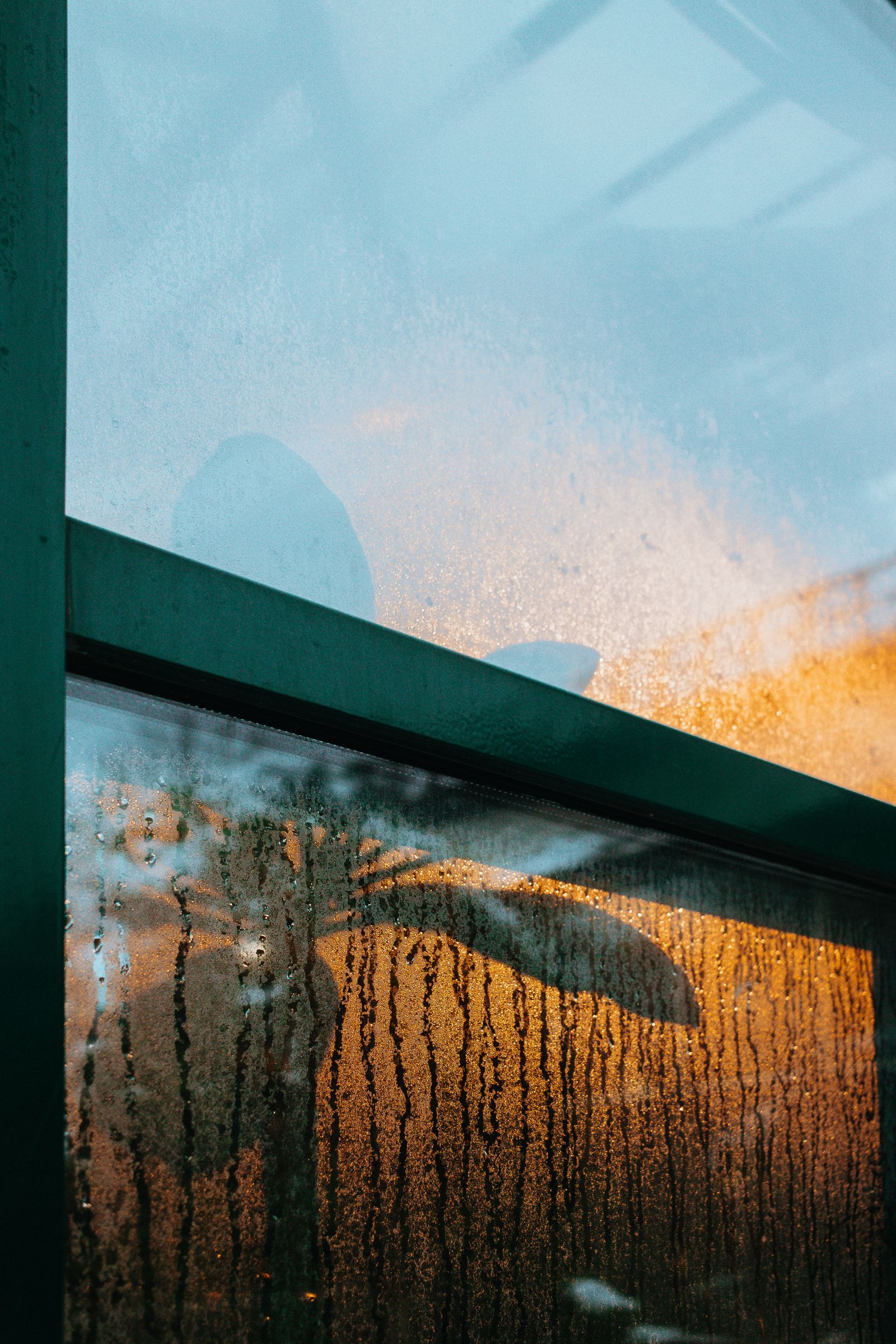
A haze that will not wipe off, a milky patch that comes and goes with the sun, a faint white crust between two sheets of glass: a foggy double-pane window is one of the few building faults that announces itself clearly and then leaves you with an unclear decision. The unit has failed. What is not obvious is whether that means new glass, a new window, or nothing at all this year.
Step 1: Work out which side of the glass the moisture is on
Before anything else, establish whether the fog is between the panes or on a surface you can reach. Condensation on the room-side face of the glass is a humidity and temperature story, not a failure: it appears on cold mornings, in bathrooms and kitchens, and it wipes away. Condensation on the outside face is the same physics in reverse and is harmless. Only moisture sealed between the two panes means the insulated glass unit has lost its seal.
The test is simple. Wipe both faces. If the haze is still there, it is inside the unit, and no cleaning, coating or dehumidifier will reach it.
One diagnostic quirk catches people out: a failed unit does not look failed all the time. The trapped moisture condenses when the glass is cold and burns off when sun hits it, so the same window can read perfectly clear at two in the afternoon and hazy at eight the next morning. If someone tells you a window looks fine and you know what you saw, look again at a different hour rather than assuming you imagined it.
Surface condensation is worth paying attention to rather than dismissing, though. The NFRC label carries a condensation resistance rating alongside U-factor, SHGC, visible transmittance and air leakage, where a higher number means the product resists condensation better. If the surface fogging is constant across the house, the answer is usually ventilation and humidity rather than glass.
Step 2: Understand what has actually failed inside the unit
An insulated glass unit is two or more panes held apart by a spacer, sealed at the edge, with the cavity between them usually filled with an inert gas. The Department of Energy notes that argon is the common, inexpensive choice for a standard half-inch gap, with krypton used in thinner spaces of around a quarter inch. When the edge seal fails, the gas escapes and moist air gets in. The fog you see is that moisture condensing on interior surfaces you cannot clean.
Two consequences follow. The thermal performance drops, because the gas fill that was part of the rated U-factor has gone. And the visible deposits are permanent: the mineral residue left behind after repeated condensation etches the glass surfaces over time, so a unit that is only occasionally hazy today will eventually be permanently marked.
What has not necessarily failed is the frame. That distinction is the entire decision. A failed seal is a glass problem; a failed frame is a window problem; and the two are independent.
Step 3: Judge the frame honestly before pricing anything
Glass-only replacement makes sense when the frame around the failed unit is sound, square, weathertight and thermally acceptable. The failed unit comes out, a new insulated glass unit built to the same dimensions goes in, and the sash, frame, hardware and exterior finish are untouched.
Check the frame for the things that would make that a false economy: sashes that no longer close square, corners that have opened up, soft or stained wood at the sill, hardware that has worn past adjustment, and on older aluminium units, a frame with no thermal break at all. The Department of Energy notes that metal frames conduct heat readily unless they carry a thermal break, which is exactly the situation on a lot of the original sliders still in Sunnyvale's older tracts.
There is a third pattern worth naming. If several units in the same house have fogged within a year or two of each other, they are likely the same age from the same original order, and the rest are on the same clock. One at a time is not necessarily the cheapest way through that.
Step 4: Weigh what each path costs you beyond the invoice
Glass-only is the smaller job in every dimension: less labour, no exterior finish work, no interior trim, and a house that stays intact while it happens. What it does not do is improve anything about the frame, and it leaves you with a window whose age is unchanged.
Whole-window replacement is the moment the rest of the assembly gets addressed, and it is also the only moment it can be. Because heat gain and loss through windows account for 25% to 30% of residential heating and cooling energy use, a window that is going to be opened up anyway is worth specifying properly rather than matching to what was there.
The Department of Energy's general guidance cuts both ways here, and it is worth reading honestly: if existing windows are in good condition, improving them is often more cost-effective than replacing them. A sound frame with one failed unit is precisely that case. A tired frame with a failed unit is not.
Step 5: Check what your chosen scope means on paper
Scope decides paperwork, and the two paths are not the same scope. Swapping a sealed glass unit inside an existing sash and removing a window from the wall are different projects, and they are not assumed to carry the same requirements. Sunnyvale publishes a handout listing work that does not require a permit for single-family homes and duplexes, and the city's Permit Center is where a specific scope gets confirmed, by phone on 408-730-7444 or through its E-OneStop online system.
Ask before ordering rather than after. Glass is made to measure, and a unit already fabricated is a poor argument for a scope decision.
Step 6: Specify the replacement properly, whichever path you take
A replacement insulated glass unit is not automatically the same as the one that failed, and that is an opportunity. Low-emissivity coatings, per the Department of Energy, cost about 10% to 15% more than regular glazing while reducing energy loss by as much as 30% to 50%, and spectrally selective versions filter out 40% to 70% of the heat normally transmitted while keeping the daylight.
Sunnyvale's position between the bay and the Santa Cruz Mountains puts it in the moderate band where DOE advises looking for both a low U-factor and a low SHGC rather than chasing one of them. That is a different specification from the one a 1970s or 1990s unit was built to, so replacing like-for-like on a west-facing room is a missed opportunity even when the glass sizes match exactly.
Get the numbers written down. The NFRC label values for the new unit belong on the quote, not in a brochure, and on a whole-window job they are what the energy compliance paperwork will be built from.
What Usually Settles It
The frame decides, not the fog. A sound frame with one or two failed units is a glass job, and paying for whole windows in that situation buys very little. A frame that has gone out of square, taken water at the sill, or never had a thermal break in the first place is a window job, and new glass inside it is money spent on the one part that had not failed. Where it is genuinely borderline, the number of failed units is the tiebreaker: several at once means the batch is ageing together, and sequential glass repairs across the next few years usually cost more in total than deciding once.
The part worth not guessing at is the frame condition, because that is the half of the decision you cannot assess from the fog itself. If you want it checked before you commit either way, Sunnyvale Window Replacement will look at the sills and sashes and quote insulated glass replacement or full-frame replacement per opening rather than per house.
Counted more than one fogged unit? It is worth having the frames looked at before the first pane is ordered.
(408) 547-4680 — free in-home measureContact detailsHave the Frames Checked Before the Glass Is Ordered
We measure each failed unit, report what the surrounding frame is actually doing, and price glass-only and whole-window side by side.
(408) 547-4680 — book your free measure