Basics
Replacing Single-Pane Aluminum Windows in a Sunnyvale Home: What to Know
Those slim aluminum frames around a single pane are original to half of Sunnyvale's mid-century homes. Why they underperform, what replacing them actually gets you in a mild climate, and how to choose the glass and the install.
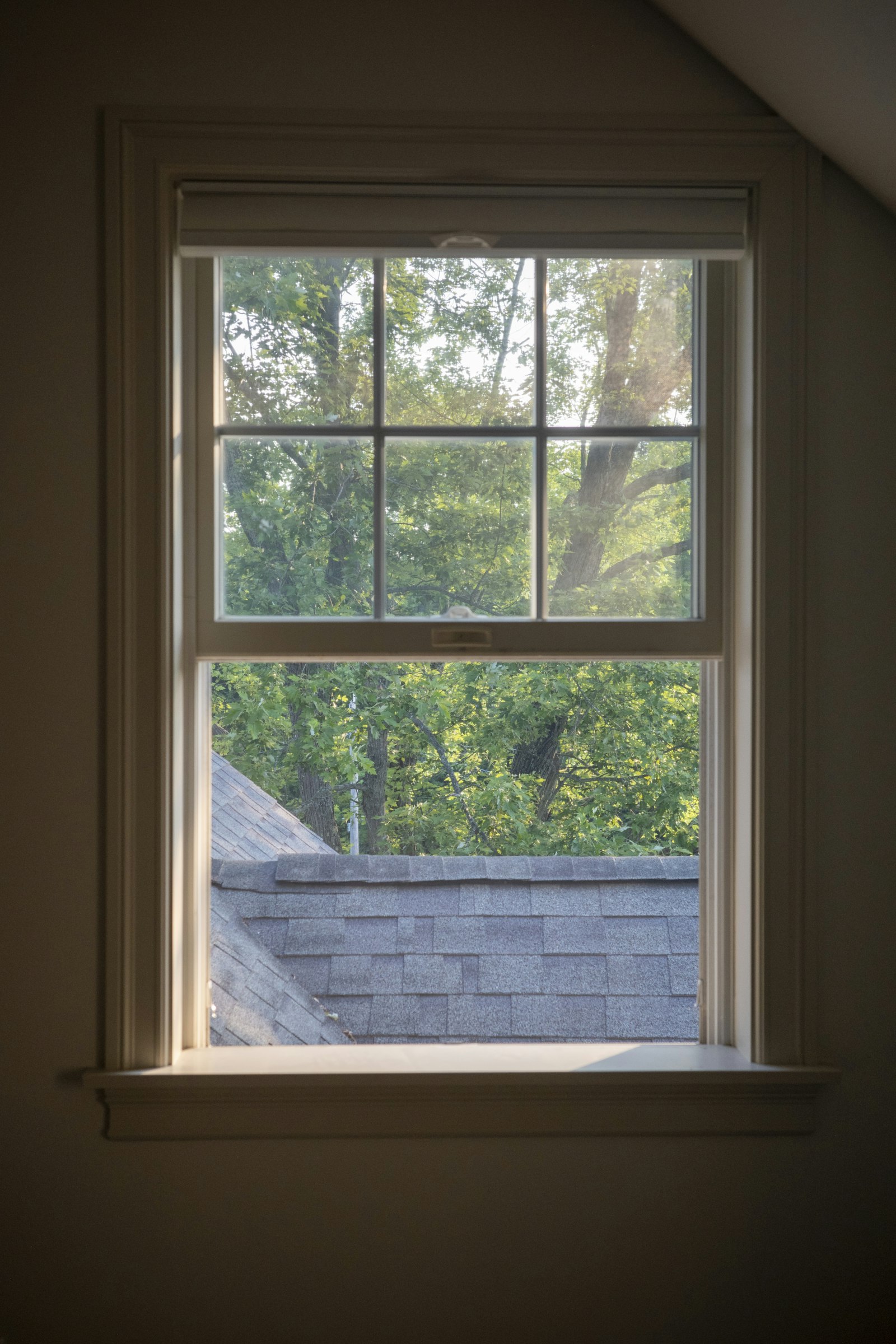
Walk through most of Sunnyvale's mid-century tract neighborhoods and you will still find the original windows: slim aluminum frames around a single pane of glass, the standard builders used from the 1950s into the 1970s. They have lasted a long time, but lasting and performing are different things. If yours rattle in the wind, sweat on a cool morning, or let the traffic straight through, you are probably weighing whether it is finally time to replace them.
This guide walks through why single-pane aluminum windows underperform, what you actually gain by replacing them in Sunnyvale's mild climate, the label numbers that decide a good upgrade from a mediocre one, and how to choose the frame and install method for an older opening. The aim is to set honest expectations, because the payoff here is real but not the same one a homeowner in a cold climate would get.
Why Those Old Aluminum Windows Underperform
Single-pane aluminum windows lose on two fronts at once: the frame and the glass. The U.S. Department of Energy notes that metal and aluminum frames conduct heat very rapidly, which makes a bare aluminum frame a thermal shortcut straight through the wall. Modern metal windows add an insulating thermal break to slow that down; the older ones in most Sunnyvale homes have none.
The glass is the other half. A single pane has no sealed air gap, so it has almost nothing to slow heat, and it runs cold enough on a damp morning to collect condensation on the inside. Decades of sun and settling also leave the frames loose, so they leak air around the edges. Between the conductive frame, the lone pane, and the worn seals, the window is usually the weakest part of the wall it sits in.
What Replacing Them Actually Gets You
Here is the honest part: in Sunnyvale's mild Mediterranean climate, the heating-and-cooling savings from new windows are smaller than the brochures aimed at cold or hot states suggest. There is no deep winter to hold heat against and no brutal summer to shut out. The energy gain is real but modest, and it is rarely the strongest reason to replace on its own. The comfort, moisture, and noise gains usually are, and they are the ones you notice every single day rather than once a quarter on a bill.
What a sealed, low-E double-pane unit reliably changes is the day-to-day feel of the room, in ways that matter more here than the utility bill. Upgrading from single-pane aluminum typically gets you:
- A warmer interior glass surface that stops the morning condensation an old single pane collects, which protects sills and paint from the damp.
- A real cut in traffic, rail and aircraft noise, since a sealed dual-pane unit has mass and an airtight perimeter the old aluminum frame lost years ago.
- Fewer drafts and hot or cold spots near the glass, so rooms stay comfortable closer to the window instead of only in the middle.
- A low-E coating that blocks the ultraviolet light which fades floors, rugs and furniture on sun-facing walls, something Sunnyvale's long clear summers deliver plenty of.
- A visible upgrade that modern buyers expect, since original aluminum single-pane windows read as deferred maintenance on a Santa Clara County home.
The Label Numbers That Matter in Sunnyvale
Two numbers on the window's NFRC label do most of the work, and they matter more than the brand on the frame. The first is the U-factor, which the National Fenestration Rating Council explains measures how well a window keeps heat from escaping, where a lower number is better. The second is the solar heat gain coefficient, or SHGC, which measures how much of the sun's heat the glass lets in. In a mild climate you are not chasing an extreme on either one; you want a solid U-factor and an SHGC low enough to tame a west-facing room without making the house dim.
What delivers those numbers is the glass package, not the pane count. The Department of Energy reports that a low-emissivity coating can cut energy loss by 30 to 50 percent for only about 10 to 15 percent more than ordinary glass, and that a sealed unit filled with argon and built with a warm-edge spacer lowers the U-factor and the edge condensation further. A well-specified double-pane window with the right coating captures almost all of what new glass can do for a Sunnyvale house, which is why a third pane is rarely worth paying for here.
Frames: What to Replace Aluminum With
The two frames that dominate Sunnyvale replacements are vinyl and fiberglass, and both insulate far better than bare aluminum. The Department of Energy notes that vinyl frames resist moisture and that their hollow cavities can be insulated, while fiberglass is dimensionally stable with air cavities that can also be filled, giving both stronger thermal performance than the metal they replace. Wood and composite frames insulate well too and suit a period or Eichler-era home, though they cost more and, in the case of wood, ask for upkeep that Sunnyvale's dry summers and damp winters will test over time. If you have your heart set on a metal look, modern aluminum is available with a thermal break, but for most homes vinyl or fiberglass does more for less.
Full-Frame or Retrofit on an Aluminum Opening?
Old aluminum windows raise the method question sooner than newer ones do. A retrofit (insert) replacement sets the new unit into your existing frame and is faster and cheaper, but it only works when the old frame is sound and square, which an aged aluminum opening is not always. When the frame is corroded, bent, or hiding water damage at the sill, a full-frame window replacement takes the opening back to the rough framing so it can be sealed and flashed properly rather than wrapped over.
There is also a comfort reason to take the full-frame route on a noisy or drafty wall. The Department of Energy is explicit that even an efficient window has to be installed properly to perform, and the gaps that leak air around an old aluminum frame leak sound and heat as well. Sealing the full depth of the opening is what turns the label numbers into the quiet, draft-free room you paid for.
Where to Start in Your Own House
You do not have to do every window at once, and with aluminum single-pane glass the smart order is by how much each room bothers you. Start with the rooms that face the afternoon sun, a busy street, or the Caltrain line, since those feel the biggest difference from new glass. Ask to see the NFRC label on whatever you are quoted, compare the U-factor and SHGC rather than the pane count, and let the condition of each opening decide whether a retrofit will do or the frame has to come out.
If you would rather have someone check the frames, measure each opening, and tell you honestly which ones justify a full-frame replacement and which can take a retrofit, that is the work Sunnyvale Window Replacement does on every job. We can spec the glass to each wall's exposure and hand you the label numbers in writing, so the upgrade from those old aluminum windows is an energy-efficient installation matched to your house, not a one-size quote.
Not sure if your old aluminum openings need full-frame or will take a retrofit?
(408) 547-4680 — free in-home measureContact detailsGet Those Old Aluminum Windows Looked At
We check the frames, measure every opening, and tell you honestly which ones justify a full-frame replacement and which can take a retrofit, with the label numbers in writing.
(408) 547-4680 — book your free measure